
Modern Living

Modern Living

Home and real estate topics discussed in detail

Spot the Small Clues: Indianapolis, Indiana Homeowner’s Guide to Catching Pest Problems Early

Key Takeaways

  • Most household pest problems begin with small, easy-to-miss clues.
  • Droppings, damaged packaging, odd odors, shed insect parts, and nighttime sounds can all warrant a closer look.
  • Food, moisture, shelter, clutter, and small exterior gaps can make a home more inviting to pests.
  • A brief monthly inspection can help Indianapolis homeowners notice changes before activity becomes harder to address.
  • Prevention, correct identification, monitoring, and targeted action are usually more useful than reacting with repeated sprays.

Pest problems rarely announce themselves all at once. A few crumbs behind an appliance, a faint scratching sound in an attic, or a torn food package in the pantry may be the first indication that something has found a way inside. In Indianapolis, Indiana, where changing weather can send pests searching for food, water, or shelter indoors, paying attention to these small clues can make a meaningful difference. For homeowners who see recurring signs and need help identifying what they may mean, a local pest control professional at pointepestcontrol.net can provide guidance on residential pest concerns. The most common issues affecting Indianapolis homes involve ants, bed bugs, roaches, rodents, spiders, mosquitoes, and wasps or bees, and professional assessment becomes relevant when an isolated sighting starts to look like recurring activity.

Why Pest Problems Often Start Quietly

Many pests stay out of view. They may travel through wall voids, cabinets, crawl spaces, garages, attics, and other areas that receive little day-to-day attention. One insect outdoors does not automatically indicate a household infestation. Still, repeated sightings indoors, physical evidence, or activity in more than one area should not be dismissed. Early attention can limit the amount of cleaning, repair work, and control needed later. The goal is not to panic over every bug. It is about noticing patterns, identifying likely conditions that support the activity, and taking sensible next steps.

Common Early Signs Homeowners Should Watch For

Droppings and Smear Marks

Check behind appliances, inside lower cabinets, near baseboards, around stored goods, and along garage walls. Droppings or dark rub marks can help show where an animal or insect is moving. Avoid handling unknown droppings or contaminated materials with your bare hands. Use appropriate protective gear and clean affected areas carefully.

Gnaw Marks and Damaged Packaging

Look over cardboard boxes, pantry packages, pet-food containers, plastic storage bins, insulation, and visible wiring. Fresh damage is generally more useful than an old mark in a long-neglected storage area. If wires or structural materials appear damaged, avoid unnecessary disturbance to the area and arrange an inspection.

Unusual Odors and Nighttime Sounds

Musty, oily, sour, or ammonia-like odors without an obvious household source deserve attention, especially when they persist in one location. Scratching, scurrying, buzzing, tapping, or movement after dark can also be useful clues. Write down when the sound occurs, where it seems loudest, and how often you hear it.

Shed Wings, Skins, Webs, and Nesting Materials

Discarded insect wings may collect near windows, lights, or doors. Check quiet corners, storage boxes, attic insulation, furniture that is rarely moved, and the edges of utility spaces. Fresh webs, shredded paper, fabric, dried plant material, or other nesting debris may point to an active hiding place nearby.

A Room-by-Room Monthly Pest Check

  1. Kitchen: Inspect under sinks, behind the refrigerator and stove, in pantries, and around food storage.
  2. Bathroom: Look for plumbing leaks, damp cabinet bottoms, gaps around pipes, and activity near drains.
  3. Basement or crawl space: Check for moisture, foundation gaps, cluttered boxes, and dark, undisturbed corners.
  4. Garage: Examine door sweeps, wall edges, cardboard storage, trash areas, and pet-food storage.
  5. Attic: Watch for droppings, nesting material, disturbed insulation, and openings around vents or rooflines.
  6. Exterior: Walk the foundation and inspect screens, utility openings, door seals, vegetation, and standing water.

Why Seasonal Checks Matter in Indianapolis

Indianapolis homes experience changing conditions throughout the year, and shifts in temperature and moisture can alter where pests seek shelter. Rain can leave standing water around gutters, containers, and low spots. Dense landscaping against the house can create protected travel routes. Aging caulk, weather stripping, and screens can also create small access points. A quick inspection before major seasonal transitions is often more useful than waiting for visible indoor activity. Focus on sealing gaps, correcting moisture issues, and reducing sheltered areas near the foundation, garage, and exterior doors.

Simple Ways to Make a Home Less Attractive to Pests

A practical approach follows integrated pest management principles that emphasize monitoring, identification, prevention, and the use of the least-risk, most effective control method. Start with the conditions pests need most: food, water, and shelter.

  • Keep food in sealed containers and clean crumbs, spills, and pet-food areas promptly.
  • Repair dripping faucets, leaking pipes, and damaged weather seals.
  • Remove standing water from containers, gutters, and low areas around the property.
  • Reduce clutter in garages, basements, attics, and storage rooms.
  • Trim vegetation away from siding, windows, and roof edges.
  • Seal small gaps around doors, windows, vents, pipes, and utility lines.

When a Sighting Needs More Attention

  • One isolated outdoor insect: Monitor the area and check for a simple entry point.
  • Repeated indoor sightings: Inspect nearby food, moisture, clutter, and gaps around walls or plumbing.
  • Droppings, nesting material, or gnaw marks: Look for the source and consider professional identification.
  • Damage to wood, wiring, or insulation: Arrange a prompt inspection and avoid disturbing hidden areas.
  • Activity that continues after cleaning and sealing: Professional assistance may be the most practical next step.

Using Traps, Baits, and Pesticides Safely

Identify the pest before selecting a product. Follow every label direction, keep products away from children and pets, and protect food, dishes, and food-preparation surfaces. Never mix products or apply more than the label allows. Foggers and repeated broad spraying do not replace finding the food source, moisture issue, nesting site, or entry point that is allowing activity to continue.

When to Call a Pest Professional

Professional help is reasonable when the same pest appears repeatedly over several days, signs occur in multiple rooms, or the source appears to be inside walls, ceilings, flooring, or insulation. It is also wise to seek qualified assistance for bed bugs, termites, stinging insects, rodents, or any pest that cannot be identified confidently. Share photos, locations, dates, prior treatments, and information about children, pets, or allergies before an inspection.

Questions Homeowners Often Ask

Does Seeing One Bug Mean There Is an Infestation?

Not necessarily. A single insect can enter accidentally. Repeated sightings, physical evidence, or activity in several parts of the home are stronger reasons to investigate.

How Often Should a Homeowner Check for Pest Signs?

A short monthly check is a practical routine. Add an extra inspection after heavy rain, significant temperature changes, renovations, or bringing in used furniture, moving boxes, or long-stored items.

Can Cleaning Alone Solve a Pest Problem?

Cleaning removes food and reduces hiding places, but it may not resolve hidden nests, structural openings, plumbing leaks, or established activity. Cleaning works best alongside inspection and prevention.

Small Clues Deserve a Timely Response

Early pest detection begins with simple habits: notice changes, inspect quiet spaces, remove food and moisture sources, seal access points, and document repeated evidence. Indianapolis homeowners do not need to react fearfully to every sighting, but recurring clues deserve a calm, step-by-step response. That approach can protect the home and make any needed treatment more focused.

Conclusion

Pest problems are often easier to manage when homeowners pay attention to the small signs before activity becomes more noticeable. Droppings, damaged packaging, unusual sounds, nesting material, and repeated sightings can provide useful clues about where pests may be entering or hiding. Regular checks around kitchens, garages, attics, basements, and exterior areas can help identify moisture, food sources, clutter, and gaps that may attract pests. For Indianapolis homeowners, combining these simple prevention habits with proper pest identification, monitoring, and professional help when needed can make pest problems easier to address. A calm, consistent response is often more useful than waiting until the signs become difficult to ignore.
Which Vehicle Protection Upgrades Make Sense for Gainesville Commuters?

Table of Contents

  1. Why a Vehicle Plan Helps
  2. Assess the Vehicle and Driving Needs
  3. Set Clear Upgrade Priorities
  4. Choose Window Film Carefully
  5. Protect Paint and Exterior Surfaces
  6. Improve Interior Comfort and Technology
  7. Review Wheels, Tires, and Performance Changes
  8. Build a Simple Maintenance Schedule
  9. Plan the Budget in Stages
  10. Choose a Qualified Installer
  11. Avoid Common Upgrade Mistakes

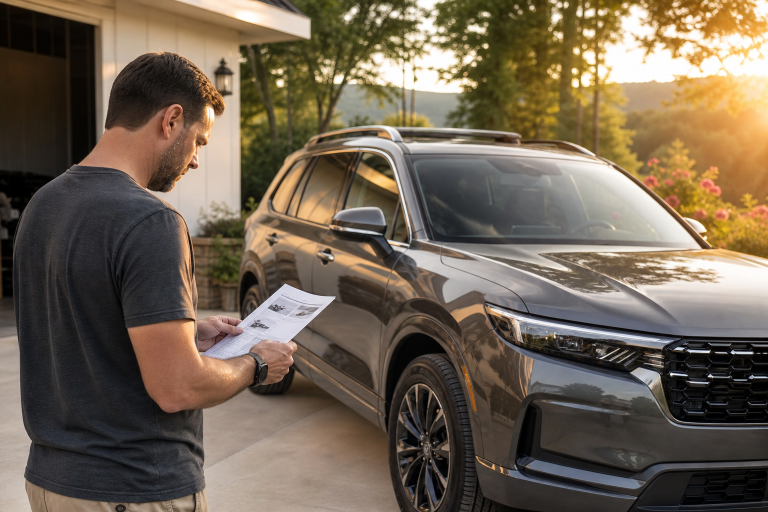
For Gainesville drivers, the best vehicle upgrades are the ones that make everyday travel more comfortable, protected, and dependable. From hot summer parking lots and heavy pollen to Lake Lanier weekends, I-985 commuting, and sudden North Georgia storms, local conditions can be tough on both a vehicle and its driver. Services such as ceramic coating for cars in Gainesville, GA, can be part of a practical plan to preserve exterior surfaces while keeping routine care manageable.

Smart styling is not about turning a daily driver into an impractical project. It is about choosing improvements that suit the vehicle, fit the budget, and support the way it is actually used. A written plan helps Gainesville families, commuters, and weekend travelers avoid duplicate work, incompatible accessories, and upgrades that look good initially but create problems later.

Why A Vehicle Plan Helps

Random upgrades can cause fitment issues, reduced visibility, cluttered wiring, and unnecessary spending. Planning first makes it easier to separate appearance wants from practical needs, schedule work in the right order, and protect factory systems. The ideal setup for a downtown Gainesville commuter will differ from that of a family SUV that regularly carries gear, pets, or passengers to the lake.

Assess The Vehicle And Driving Needs

Before buying products or booking installation, consider weekly mileage, typical parking conditions, passenger needs, and how long you expect to keep the vehicle. A car parked outside near trees may need paint protection sooner than a garage-kept vehicle. Drivers who spend long stretches on highways toward Atlanta or the North Georgia mountains may place more value on windshield clarity, tire quality, and road-chip protection.

If you have been searching for automotive ceramic coating near me, start by identifying the surfaces that need attention most. A daily commuter may benefit from easy-clean exterior protection and heat management, while a weekend vehicle may prioritize appearance-focused detailing and seasonal maintenance.

Set Clear Upgrade Priorities

Organize improvements into three categories, then choose one main goal before moving to the next.

  1. Protection: Paint, trim, glass, and interior surfaces face sun, rain, pollen, mud, and road debris.
  2. Comfort: Heat control, glare reduction, cabin sound, storage, and seating accessories can improve every drive.
  3. Function: Lighting, security, hands-free technology, and properly installed electronics can make the vehicle easier to use.

A focused plan is easier to price and evaluate. It also lets you complete safety and maintenance needs before investing in cosmetic changes.

Choose Window Film Carefully

Window film can affect appearance, heat control, glare, and ultraviolet exposure, but darker is not automatically better. Consider the film type, visible light transmission, warranty, and care requirements. Clear or lighter ceramic films may offer useful heat and UV benefits without creating a dramatic visual change.

Visibility should remain the priority, especially during Gainesville’s rain-heavy afternoons and darker rural roads. Before installation, review Georgia’s window tint requirements and discuss legal limits with the installer. This step helps prevent a costly removal or a setup that makes nighttime driving less comfortable.

Protect Paint And Exterior Surfaces

Routine washing remains the foundation of exterior care, particularly during pollen season and after travel on wet or gravelly roads. Beyond washing, drivers can consider sealants, ceramic coatings, paint protection film, wraps, and trim treatments. The right option depends on parking habits, driving distance, and expectations for appearance.

Frequent highway driving can increase exposure to small chips and debris, especially on front bumpers, hoods, mirrors, and rocker panels. Preparation matters as much as the product. A coating or film applied over contamination or existing damage will not correct the underlying issue. Protection reduces wear, but it cannot make paint invulnerable.

Improve Interior Comfort And Technology

Interior upgrades should simplify the drive rather than fill the cabin with distractions. Useful choices can include improved speakers, hands-free communication tools, remote-start systems, subtle cabin lighting, secure phone mounting, storage organizers, and security features. In Gainesville’s humid summers, heat-management upgrades can also make a parked vehicle more pleasant to enter.

Keep factory controls accessible, avoid any accessory placement that could interfere with airbags, and insist on secure wiring. A clean installation with properly protected connections is more valuable than adding the largest number of devices at once.

Review Wheels, Tires, And Performance Changes

Wheels and tires can transform a vehicle’s appearance, but they also affect comfort, braking, steering response, and fuel use. Start with the manufacturer’s recommended tire size and load rating, then confirm clearance before changing wheel width or tire diameter.

  • Choose tires that match rain, highway, or light-trail use.
  • Remember that very low-profile tires may ride harshly on rough pavement.
  • Check alignment after major wheel or suspension changes.
  • Keep traction, braking, and steering needs ahead of appearance.

A balanced setup often offers better value than an aggressive fitment that compromises comfort on long trips or around uneven parking areas.

Build A Simple Maintenance Schedule

Vehicle styling work should support regular maintenance, not replace it. Check tire pressure monthly, wash away dirt and road film before it builds up, inspect film or coatings for damage, and test security systems or electronics regularly. Keep receipts, product information, and warranty records together for future service or resale.

Seasonal Gainesville Checklist

  • Hot weather: Check cooling performance, tire pressure, window-film care, and exterior protection.
  • Storm season: Inspect wipers, lights, tread depth, seals, and drainage areas.
  • Road trips: Review brakes, fluids, battery condition, spare-tire readiness, and emergency supplies.

Plan The Budget In Stages

Divide the project into short-term, mid-term, and long-term priorities. Address urgent maintenance, tires, safety, and visibility first. Next, add comfort and protection upgrades that improve daily use. Appearance changes, advanced electronics, and performance work can come later.

Compare the complete cost, including surface preparation, installation, upkeep, repairs, and possible removal. The lowest quote is not always the lowest total cost when product quality, workmanship, and warranty support are considered.

Choose A Qualified Installer

When comparing providers, ask who will perform the work, what products will be used, and how the installation may affect factory systems or future repairs. Request written warranty details and clear care instructions. For wraps, film, electronics, or complex wiring, ask to see examples of completed work that show clean edges, organized connections, and careful vehicle handling.

Avoid Common Upgrade Mistakes

Common problems include choosing only by price, ignoring local rules, skipping surface preparation, blocking visibility, mixing incompatible materials, and installing too many electronics at once. Gainesville drivers should also keep up with Georgia driver updates when changes to driving rules, licensing information, or road-use guidance could affect their plans.

The best vehicle upgrade plan is personal, practical, and built to last. By prioritizing protection, comfort, function, and responsible installation, Gainesville, Georgia drivers can enjoy a vehicle that looks better, works harder, and remains ready for the road year after year.

What to Check Before Buying a Certified Pre-Owned Luxury Car in Denver

Key Takeaways

  • Certification can add useful screening and coverage, but program details still matter.
  • Vehicle history, maintenance documentation, and a thorough test drive reveal different parts of the story.
  • Duration, mileage, covered systems, exclusions, and deductibles should compare warranty terms.
  • Luxury-car ownership costs extend beyond the purchase price and monthly payment.
  • An independent inspection remains valuable, even for a certified vehicle.

Shopping for a certified pre-owned luxury vehicle in Denver means considering more than the vehicle’s appearance and advertised price. A shopper looking at a CPO Bentley for sale should also consider Front Range commuting, changing weather, mountain travel, and the specialized care expected of a premium vehicle. Certified pre-owned vehicles sit between new vehicles and conventional used vehicles. They may have passed brand-specific eligibility and inspection requirements. Still, certification is not a substitute for reviewing the individual vehicle, its records, its warranty, and the full cost of ownership.

Why Certified Pre-Owned Luxury Vehicles Need A Closer Look

Luxury vehicles can include sophisticated driver-assistance equipment, advanced climate systems, premium upholstery, performance components, and complex electronics. Those features can make every drive more enjoyable, but they also make complete documentation and warranty clarity especially important. In Denver, buyers may also value confident road manners on uneven pavement, winter-ready tires, and comfort for longer trips into the foothills or across Colorado.

Start With The Certification Program

Ask what “certified” means for the specific vehicle. Manufacturer programs can set their own limits for age, mileage, condition, service history, and inspection results. Request the completed inspection checklist, reconditioning records, eligibility requirements, remaining warranty documents, roadside-assistance details, and proof of any maintenance completed before the vehicle was listed. A detailed answer is more useful than a general promise that the car was inspected. Find out which items were measured, repaired, replaced, or judged acceptable. If cosmetic work, tire replacement, brake service, or software updates were performed, ask for the related paperwork.

Review Vehicle History And Service Records

A vehicle history report can help a buyer review reported ownership changes, title information, mileage entries, and reported collision events. Confirm that the vehicle identification number on the report matches the VIN on the vehicle and sales paperwork. A clean report is helpful, but it should not be treated as a complete mechanical record. Photorealistic wide establishing shot of a certified pre-owned luxury vehicle parked outside a Denver dealership, with the Rocky Mountains and Front Range landscape visible in the background, showing the car within its broader Colorado setting on a clear day. Ask for service invoices when possible, including records of oil changes, tire replacements, brake work, battery replacements, and larger repairs. Also, use the VIN to check for unresolved safety recalls before signing. Recall searches can identify unrepaired recalls associated with a specific vehicle, but buyers should still confirm the availability of a remedy with the seller or manufacturer.

  1. Match the VIN across the vehicle, report, and contract.
  2. Review title status and mileage entries.
  3. Look for long gaps in documented maintenance.
  4. Ask how reported collision repairs were completed.
  5. Confirm whether any recalls or service campaigns remain open.

Compare Warranty Coverage Line By Line

The word “warranty” does not explain enough on its own. Compare the start date, expiration date, mileage limit, deductible, repair location rules, transfer terms, and exclusions. Review whether coverage applies to major electrical components, suspension systems, climate controls, cameras, sensors, screens, infotainment equipment, and powertrain components. Also, distinguish between a manufacturer-backed warranty and an optional service contract. A service contract may pay for selected repairs or services, but it is not automatically the same as a warranty. Before adding any plan, make sure it does not duplicate protection already included with the certified vehicle.

Calculate The True Cost Of Ownership

A lower sale price does not always mean a lower ownership cost. Build one-year and three-year estimates that include insurance, registration, fuel or charging, scheduled maintenance, tires, brake service, financing costs, and a reserve for repairs not covered by warranty. Premium tires and specialized labor can materially affect a luxury vehicle budget.

  • Compare insurance quotes for each vehicle before making a final choice.
  • Check tire condition, size, age, and replacement cost.
  • Ask which maintenance items are due soon based on time and mileage.
  • Consider whether remaining warranty coverage reduces near-term repair exposure.

Compare Prices And Test Drives Fairly

Compare vehicles with similar model years, mileage, trim levels, equipment, condition, and remaining coverage. Features may justify a higher price when they improve the way you will actually use the vehicle. Request an out-the-door figure that includes taxes, registration, documentation fees, dealer-installed accessories, protection products, and financing charges. Use the test drive as a practical evaluation, not just a short lap around the block. Drive on city streets, highway lanes, curves, parking areas, and rougher pavement when possible. Listen for rattles, wind noise, drivetrain hesitation, or brake concerns. Test seating adjustments, climate controls, cameras, sensors, audio, screens, charging ports, and warning-light functions.

Arrange An Independent Inspection

An independent technician familiar with luxury vehicles may identify tire age, fluid leaks, prior repair concerns, suspension wear, or upcoming maintenance needs that are not obvious during a drive. An independent mechanical inspection is useful even for a certified vehicle, and a written report can support a better-informed decision. Choose the shop before final negotiations, request written findings and repair estimates, and use the results to reconsider the price and budget. If a seller will not allow a reasonable independent inspection, consider whether another vehicle is a better fit.

Review Financing And Contract Details

A low monthly payment can result from a longer loan term rather than a lower total cost. Compare the annual percentage rate, down payment, amount financed, loan length, finance charge, and total of all payments. Every agreed repair, accessory, trade-in value, warranty adjustment, and price change should appear in writing before you sign.

Common Questions Buyers Ask

Is Certified Pre-Owned Better Than Regular Used?

It can be, but the value depends on the inspection, vehicle condition, warranty, records, and price difference. Judge certification by the protection and documentation it actually provides.

Should A Certified Vehicle Still Receive An Independent Inspection?

Yes, especially when the vehicle is expensive, complex, higher-mileage, or missing detailed service records. Certification and an independent evaluation can serve different purposes.

Does Low Mileage Always Mean A Better Vehicle?

No. Mileage should be weighed with service history, storage conditions, tire age, time-based maintenance, and the vehicle’s overall condition.

What If Warranty Terms Are Unclear?

Request the full warranty document and get specific answers in writing. Do not rely only on verbal descriptions of what may be covered.

Final Buyer Checklist

  • Set a complete ownership budget.
  • Review history, service records, and certification paperwork.
  • Read warranty coverage and exclusions.
  • Check for open safety recalls.
  • Complete a detailed test drive and independent inspection.
  • Compare financing by total cost and get agreements in writing.

Conclusion

A certified pre-owned luxury vehicle should be evaluated as a complete ownership decision rather than based only on its appearance, badge, or asking price. For Denver, Colorado drivers, condition, vehicle history, warranty protection, service needs, technology, comfort, fuel requirements, and real-world road performance all deserve attention. Review the certification details carefully to understand what inspections, warranty coverage, and services are actually included. Check maintenance records and vehicle history reports for previous accidents, ownership changes, repairs, and other relevant information. A professional inspection can provide another perspective on the vehicle’s mechanical and cosmetic condition. Consider how the car will perform during daily commuting, in winter weather, on highways, and on occasional mountain trips. Ownership costs such as insurance, tires, maintenance, fuel, registration, and potential repairs should also be included in the budget. Careful comparison can help you choose a vehicle that feels distinctive to drive while remaining practical and manageable to own.