
Spot the Small Clues: Indianapolis, Indiana Homeowner’s Guide to Catching Pest Problems Early
Key Takeaways
- Most household pest problems begin with small, easy-to-miss clues.
- Droppings, damaged packaging, odd odors, shed insect parts, and nighttime sounds can all warrant a closer look.
- Food, moisture, shelter, clutter, and small exterior gaps can make a home more inviting to pests.
- A brief monthly inspection can help Indianapolis homeowners notice changes before activity becomes harder to address.
- Prevention, correct identification, monitoring, and targeted action are usually more useful than reacting with repeated sprays.
Pest problems rarely announce themselves all at once. A few crumbs behind an appliance, a faint scratching sound in an attic, or a torn food package in the pantry may be the first indication that something has found a way inside. In Indianapolis, Indiana, where changing weather can send pests searching for food, water, or shelter indoors, paying attention to these small clues can make a meaningful difference. For homeowners who see recurring signs and need help identifying what they may mean, a local pest control professional at pointepestcontrol.net can provide guidance on residential pest concerns. The most common issues affecting Indianapolis homes involve ants, bed bugs, roaches, rodents, spiders, mosquitoes, and wasps or bees, and professional assessment becomes relevant when an isolated sighting starts to look like recurring activity.
Why Pest Problems Often Start Quietly
Many pests stay out of view. They may travel through wall voids, cabinets, crawl spaces, garages, attics, and other areas that receive little day-to-day attention. One insect outdoors does not automatically indicate a household infestation. Still, repeated sightings indoors, physical evidence, or activity in more than one area should not be dismissed. Early attention can limit the amount of cleaning, repair work, and control needed later. The goal is not to panic over every bug. It is about noticing patterns, identifying likely conditions that support the activity, and taking sensible next steps.
Common Early Signs Homeowners Should Watch For
Droppings and Smear Marks
Check behind appliances, inside lower cabinets, near baseboards, around stored goods, and along garage walls. Droppings or dark rub marks can help show where an animal or insect is moving. Avoid handling unknown droppings or contaminated materials with your bare hands. Use appropriate protective gear and clean affected areas carefully.
Gnaw Marks and Damaged Packaging
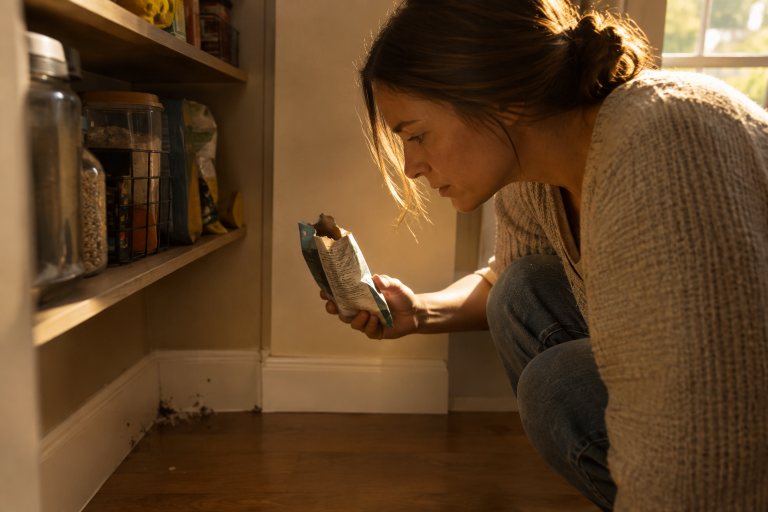
Look over cardboard boxes, pantry packages, pet-food containers, plastic storage bins, insulation, and visible wiring. Fresh damage is generally more useful than an old mark in a long-neglected storage area. If wires or structural materials appear damaged, avoid unnecessary disturbance to the area and arrange an inspection.
Unusual Odors and Nighttime Sounds
Musty, oily, sour, or ammonia-like odors without an obvious household source deserve attention, especially when they persist in one location. Scratching, scurrying, buzzing, tapping, or movement after dark can also be useful clues. Write down when the sound occurs, where it seems loudest, and how often you hear it.
Shed Wings, Skins, Webs, and Nesting Materials
Discarded insect wings may collect near windows, lights, or doors. Check quiet corners, storage boxes, attic insulation, furniture that is rarely moved, and the edges of utility spaces. Fresh webs, shredded paper, fabric, dried plant material, or other nesting debris may point to an active hiding place nearby.
A Room-by-Room Monthly Pest Check
- Kitchen: Inspect under sinks, behind the refrigerator and stove, in pantries, and around food storage.
- Bathroom: Look for plumbing leaks, damp cabinet bottoms, gaps around pipes, and activity near drains.
- Basement or crawl space: Check for moisture, foundation gaps, cluttered boxes, and dark, undisturbed corners.
- Garage: Examine door sweeps, wall edges, cardboard storage, trash areas, and pet-food storage.
- Attic: Watch for droppings, nesting material, disturbed insulation, and openings around vents or rooflines.
- Exterior: Walk the foundation and inspect screens, utility openings, door seals, vegetation, and standing water.
Why Seasonal Checks Matter in Indianapolis
Indianapolis homes experience changing conditions throughout the year, and shifts in temperature and moisture can alter where pests seek shelter. Rain can leave standing water around gutters, containers, and low spots. Dense landscaping against the house can create protected travel routes. Aging caulk, weather stripping, and screens can also create small access points. A quick inspection before major seasonal transitions is often more useful than waiting for visible indoor activity. Focus on sealing gaps, correcting moisture issues, and reducing sheltered areas near the foundation, garage, and exterior doors.
Simple Ways to Make a Home Less Attractive to Pests
A practical approach follows integrated pest management principles that emphasize monitoring, identification, prevention, and the use of the least-risk, most effective control method. Start with the conditions pests need most: food, water, and shelter.
- Keep food in sealed containers and clean crumbs, spills, and pet-food areas promptly.
- Repair dripping faucets, leaking pipes, and damaged weather seals.
- Remove standing water from containers, gutters, and low areas around the property.
- Reduce clutter in garages, basements, attics, and storage rooms.
- Trim vegetation away from siding, windows, and roof edges.
- Seal small gaps around doors, windows, vents, pipes, and utility lines.
When a Sighting Needs More Attention
- One isolated outdoor insect: Monitor the area and check for a simple entry point.
- Repeated indoor sightings: Inspect nearby food, moisture, clutter, and gaps around walls or plumbing.
- Droppings, nesting material, or gnaw marks: Look for the source and consider professional identification.
- Damage to wood, wiring, or insulation: Arrange a prompt inspection and avoid disturbing hidden areas.
- Activity that continues after cleaning and sealing: Professional assistance may be the most practical next step.
Using Traps, Baits, and Pesticides Safely
Identify the pest before selecting a product. Follow every label direction, keep products away from children and pets, and protect food, dishes, and food-preparation surfaces. Never mix products or apply more than the label allows. Foggers and repeated broad spraying do not replace finding the food source, moisture issue, nesting site, or entry point that is allowing activity to continue.
When to Call a Pest Professional
Professional help is reasonable when the same pest appears repeatedly over several days, signs occur in multiple rooms, or the source appears to be inside walls, ceilings, flooring, or insulation. It is also wise to seek qualified assistance for bed bugs, termites, stinging insects, rodents, or any pest that cannot be identified confidently. Share photos, locations, dates, prior treatments, and information about children, pets, or allergies before an inspection.
Questions Homeowners Often Ask
Does Seeing One Bug Mean There Is an Infestation?
Not necessarily. A single insect can enter accidentally. Repeated sightings, physical evidence, or activity in several parts of the home are stronger reasons to investigate.
How Often Should a Homeowner Check for Pest Signs?
A short monthly check is a practical routine. Add an extra inspection after heavy rain, significant temperature changes, renovations, or bringing in used furniture, moving boxes, or long-stored items.
Can Cleaning Alone Solve a Pest Problem?
Cleaning removes food and reduces hiding places, but it may not resolve hidden nests, structural openings, plumbing leaks, or established activity. Cleaning works best alongside inspection and prevention.
Small Clues Deserve a Timely Response
Early pest detection begins with simple habits: notice changes, inspect quiet spaces, remove food and moisture sources, seal access points, and document repeated evidence. Indianapolis homeowners do not need to react fearfully to every sighting, but recurring clues deserve a calm, step-by-step response. That approach can protect the home and make any needed treatment more focused.
Conclusion
Pest problems are often easier to manage when homeowners pay attention to the small signs before activity becomes more noticeable. Droppings, damaged packaging, unusual sounds, nesting material, and repeated sightings can provide useful clues about where pests may be entering or hiding. Regular checks around kitchens, garages, attics, basements, and exterior areas can help identify moisture, food sources, clutter, and gaps that may attract pests. For Indianapolis homeowners, combining these simple prevention habits with proper pest identification, monitoring, and professional help when needed can make pest problems easier to address. A calm, consistent response is often more useful than waiting until the signs become difficult to ignore.